Residential
Protect the place built around your life.
A home repair plan should be understandable, proportionate, and mindful of landscaping, finishes, access, and daily routines.
Residential foundation work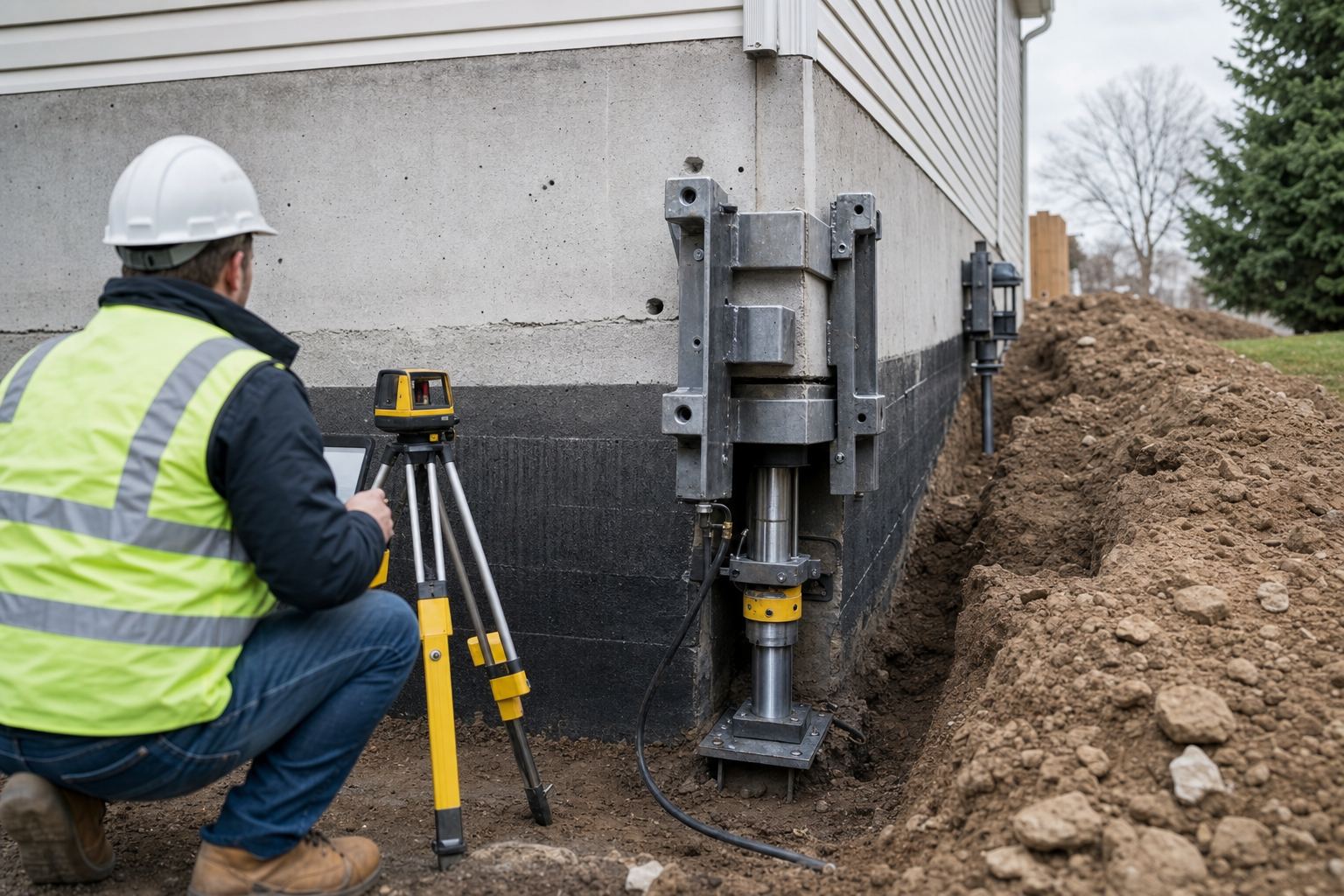
Oklahoma / Above grade to below grade
Clear diagnosis and fit-for-site repair paths for foundation movement, settled concrete, and structural concerns in Oklahoma homes and commercial properties.
Residential + commercial scopes
Field note / symptoms
Visible symptoms are clues, not conclusions. Choose the closest match to see where the evaluation conversation usually begins.
Observation
Cracks through brick or masonry joints can be associated with differential movement. Pattern, width, location, and change over time all matter.
Explore foundation repairThis guide is educational and is not a structural diagnosis.
Repair systems / 01–04
High Rise Construction OK organizes work around how loads move, what the site is doing, and how much disruption the property can reasonably absorb.
A condition-led repair path for settlement, movement, cracking, and load-transfer concerns in homes and commercial properties.
Deep-support systems designed to transfer structural loads beyond unstable near-surface soils when site conditions call for it.
Small-port polyurethane injection used to fill subsurface voids and lift suitable settled concrete with limited disruption.
Targeted repair and restoration for concrete elements connected to the property’s support, access, and long-term performance.
Structural support correction coordinated with framing, bearing, moisture, access, and the other systems below occupied floors.
Source-specific perimeter and below-grade water management planned around collection, protection, discharge, and site conditions.
Why Oklahoma moves
Clay-rich soils can gain volume when wet and lose volume as they dry. Those cycles do not always occur evenly across a footprint, which can create differential movement beneath slabs and foundations.
Read the foundation guideVolume can increase and pressures can change around the structure.
Shrinkage can reduce support beneath portions of a slab or footing.
Differential response—not simply movement alone—is often where visible symptoms develop.
Drainage, plumbing, grading, trees, fill, construction details, and site history can also affect performance. Evaluation should consider the whole system.
A disciplined sequence
The goal is not to sell the biggest intervention. It is to define the condition, the repair objective, and the practical path between them.
Property type, symptom history, access, water behavior, and prior work establish the starting context.
Visible patterns, elevations where appropriate, and surrounding site conditions are read together.
The proposed method, limits, sequence, access needs, and open assumptions are explained in plain language.
Work is phased around the property, with closeout focused on the completed scope and next-care guidance.
From the field / authentic project media
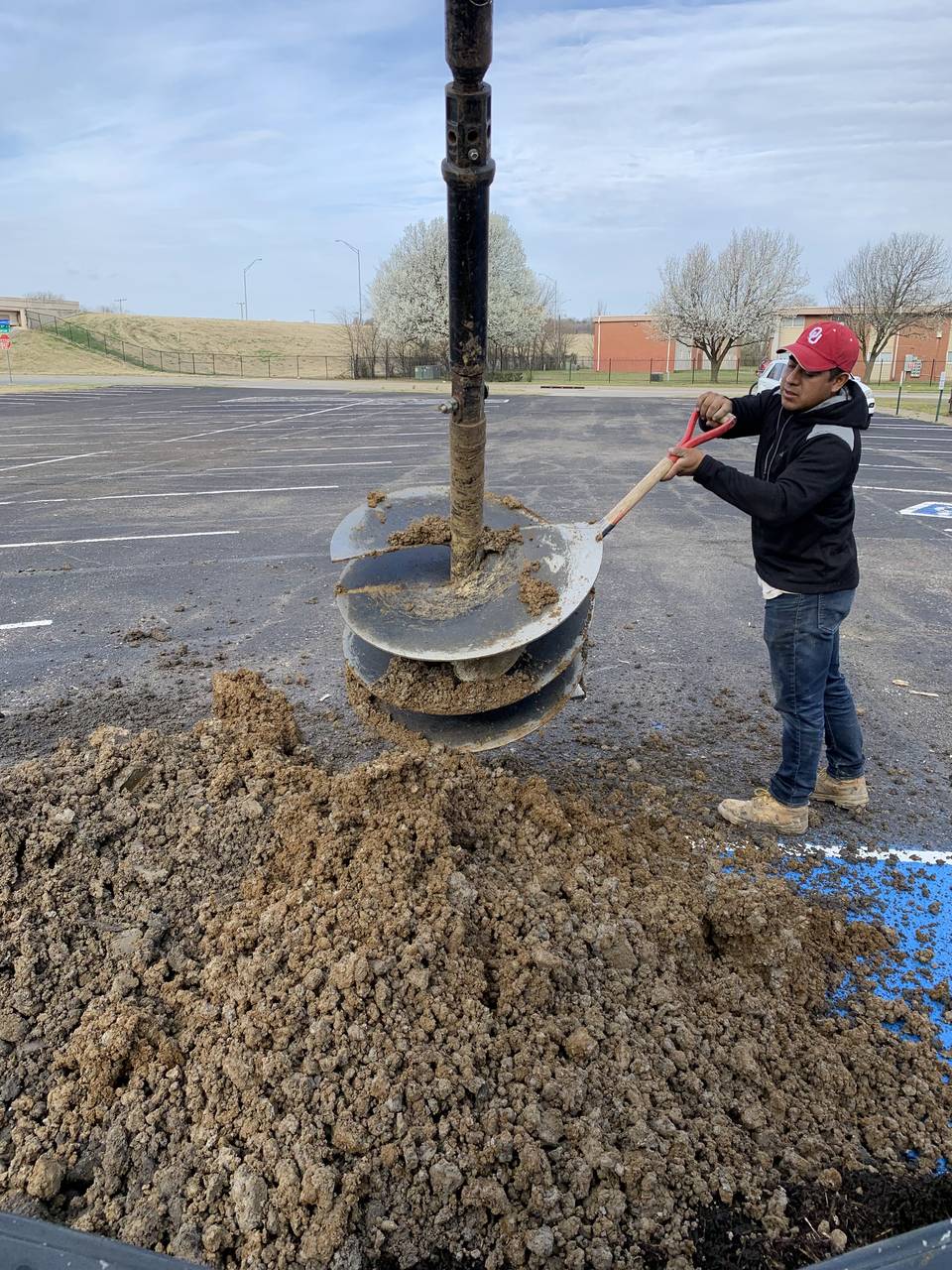
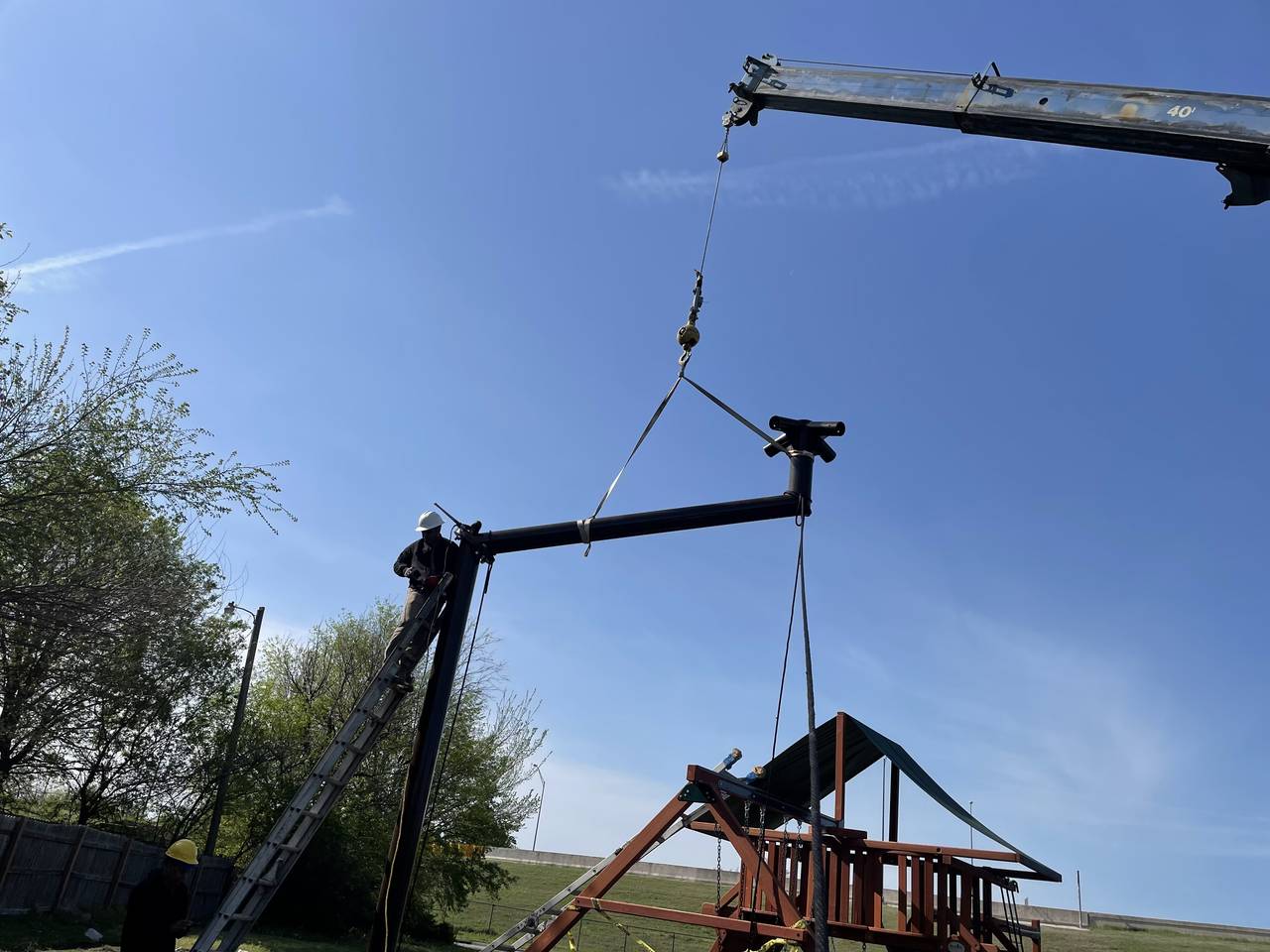
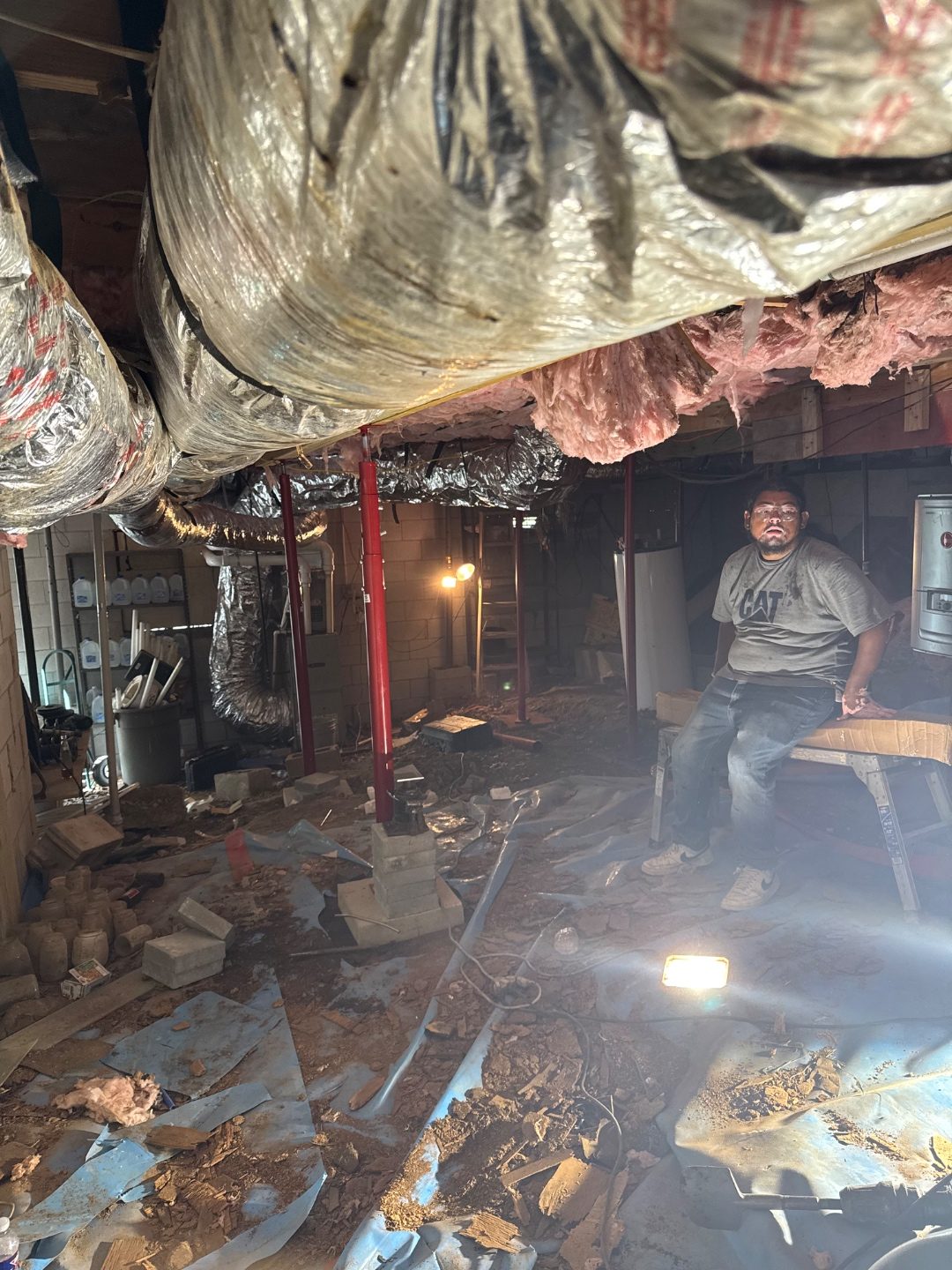
Review representative pier installation, excavation, steel support, crawl-space, and moisture-management work completed by the High Rise field team.
View the project archiveResidential
A home repair plan should be understandable, proportionate, and mindful of landscaping, finishes, access, and daily routines.
Residential foundation workCommercial
Commercial scopes require technical clarity plus real-world planning for occupants, access, schedules, documentation, and project-team coordination.
Commercial foundation workFoundation repair FAQ
Clear expectations make better projects. These answers frame the first conversation without pretending every property behaves the same way.
Next step / site evaluation
Share the property type, location, visible symptoms, and timing. That context helps frame a more useful first conversation.
Residential and commercial requests
Foundation, concrete, piering, and foam
Oklahoma service coverage confirmed during scheduling
Request details
Fields marked * are required.