
Surface runoff
Roof discharge, negative grade, low areas, paving, and concentrated flow can direct rainfall toward the foundation.
Water management / Below grade
Effective foundation moisture work begins by identifying where water originates, how it reaches the structure, where it can drain safely, and which materials or assemblies need protection.
Request a site evaluation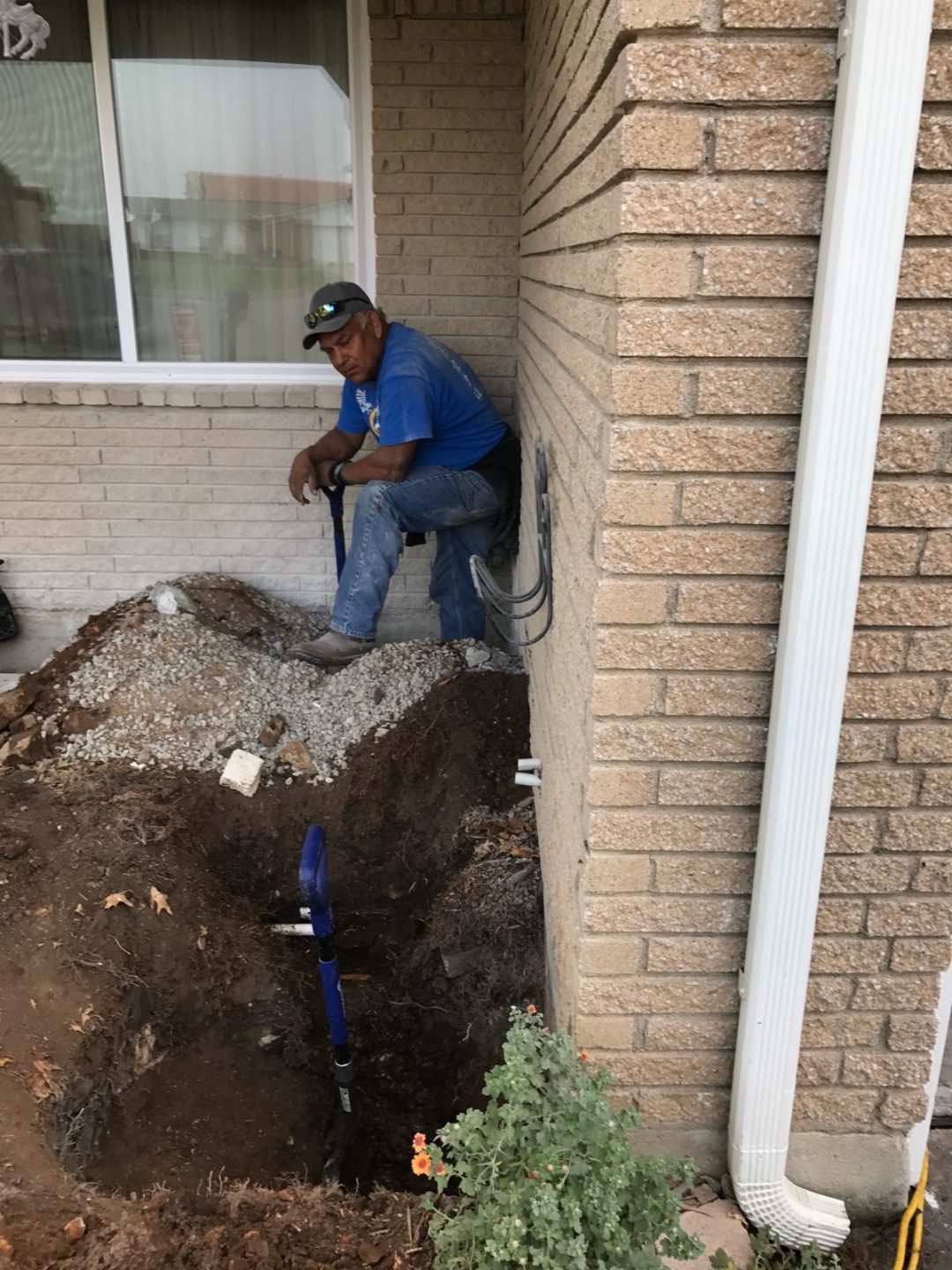
Above grade / below grade
What the site may be showing
Rainwater, groundwater, plumbing, surface grading, condensation, and capillary moisture require different responses. A wet area is evidence, not the full diagnosis.
Roof discharge, negative grade, low areas, paving, and concentrated flow can direct rainfall toward the foundation.
Water at walls, joints, cracks, and penetrations may involve groundwater, hydrostatic pressure, or drainage limitations.
Damp soil, standing water, high humidity, staining, and material deterioration should be traced to their active source.
Washout or migrating soils can reduce support beneath flatwork, approaches, slabs, or selected foundation areas.
Evaluation to execution
Grade, collection, drainage media, discharge, capillary control, membranes, penetrations, and maintainability should be considered together.
Observe grade, roof drainage, hardscape, low points, soil, moisture evidence, wall conditions, and safe discharge options.
Distinguish surface water, groundwater, plumbing, condensation, and vapor so each component has a clear purpose.
Coordinate excavation, drainage media, collection, membrane or dampproofing, protection, and destination as applicable.
Backfill and restore the work area, review discharge and cleanout points, and explain maintenance responsibilities.
Residential applications
Perimeter drainage and trenching planned around landscaping and occupied access
Coordination with gutters, downspouts, grading, plumbing, and crawl-space work
Clear distinction between water management, dampproofing, and structural repair
Commercial applications
Drainage scopes phased around parking, deliveries, tenants, and site circulation
Coordination with civil, structural, plumbing, roofing, and landscape systems
Defined discharge, restoration, documentation, and maintenance responsibilities
Scope boundaries
Evaluation may identify monitoring, engineering input, water-management work, another repair system, or work by an additional trade before the proposed scope proceeds.
Water source and rainfall relationship
Exterior grade, roof drainage, paving, and discharge capacity
Foundation type, cracks, joints, penetrations, and below-grade depth
Groundwater and hydrostatic-pressure potential
Utility locations and excavation access
Codes, easements, adjacent properties, and lawful discharge destination
Service FAQ
Property-specific next step